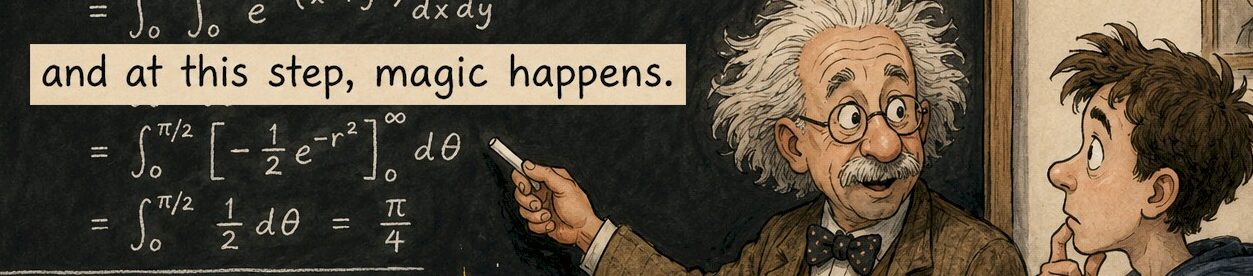
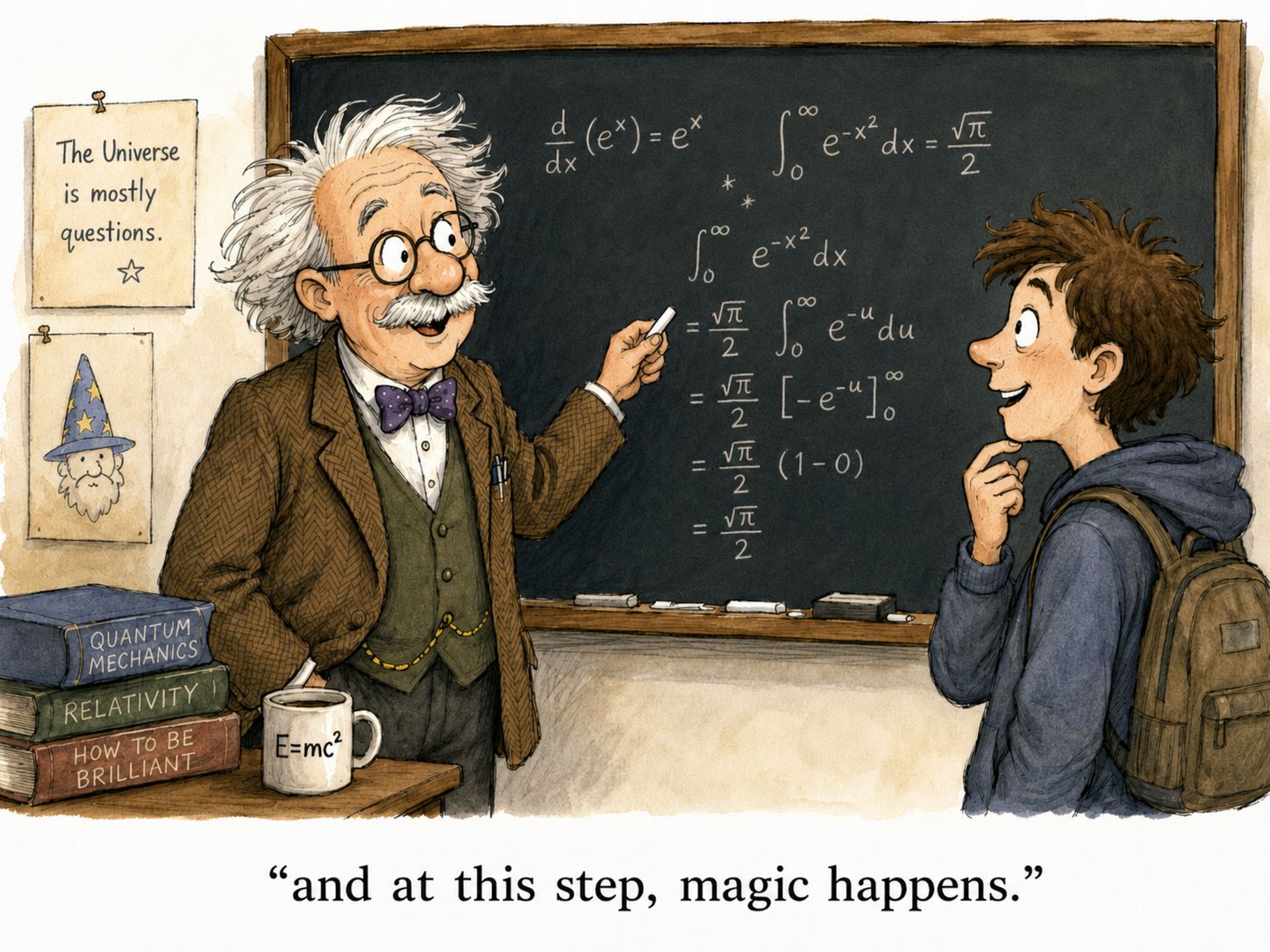
I recently read an interesting paper about how we understand the world. The base tenet was we build mental models of common, everyday things. This familiarity makes us believe we understand how they work. However, when pressed to explain their workings, we are often unable to do so. This is the link to the article.
The misunderstood limits of folk science: an illusion of explanatory depth
Rozenblit & Keil (2002)
I was recently speaking to an employee about how an audio speaker worked as an analogy for RFID. Because speakers are very familiar objects, he believed he understood how it created sound. But when pressed to explain it in detail, he was unable to. Think about this if you are explaining technical concepts, whether it’s onboarding a new hire, walking a customer through how a product works, or handing off a project to another engineer: their familiarity with a topic doesn’t really mean they understand it. Assuming otherwise is where things break down.
This delta between how much we think we understand things and how much we actually understand things shows up all over the place. As I thought about what I read in the paper and summary (below), I came away with some key takeaways:
- Drawing out how things work manually is critical to validating understanding.
- At this point we can recognize both what we understand and what we don’t.
- Move forward on the specific gaps you found.
AI can be a huge help with this. It is easy to ask for and find deep explanations to clarify the problem. You can also draw out your understanding, upload an image of your drawing, and ask where your understanding falls apart. You’re then responsible for absorbing that information and asking probing questions to make it clearer.
This all ties in nicely with my life experience that people learn much better when we can explain things by drawing out their workings on paper or a whiteboard. It also makes me think of the quote from 1 Corinthians 13:12
For now we see in a mirror dimly, but then face to face. Now I know in part; then I shall understand fully, even as I have been fully understood.
Not everything needs a whiteboard session, but the next time something feels obvious, it’s worth drawing it out to make sure you know how it works. I hope this inspires people to move from just familiarity to more deep understanding.
And for people that don’t want to read the full article, I had this summary made:
Rozenblit and Keil call this the “illusion of explanatory depth” (IOED) — and it’s not general overconfidence. It hits hardest for explanatory knowledge (how things work), much less for facts, procedures, or stories. Across 12 studies, the effect held up consistently: strongest for devices and natural phenomena, weaker for geography facts, and basically absent for narratives and procedures like “how to make coffee.”
The most interesting finding: the best predictor of the illusion wasn’t actual knowledge, but how visibly mechanical something looked. The more visible parts a device had, the more people assumed they understood the hidden internals too — even when they didn’t. Just knowing the names of parts inflated confidence without reflecting real understanding.
The authors argue this isn’t just a flaw — shallow, “good enough” causal models are often all we need day-to-day. If we constantly tested our understanding to full depth, we’d never stop digging.